
Our services
Everything the Department does for Malawi’s forests and the people who depend on them, in one place.
At a glance
How we can help
In more detail
Four areas of work
Protecting the forest estate
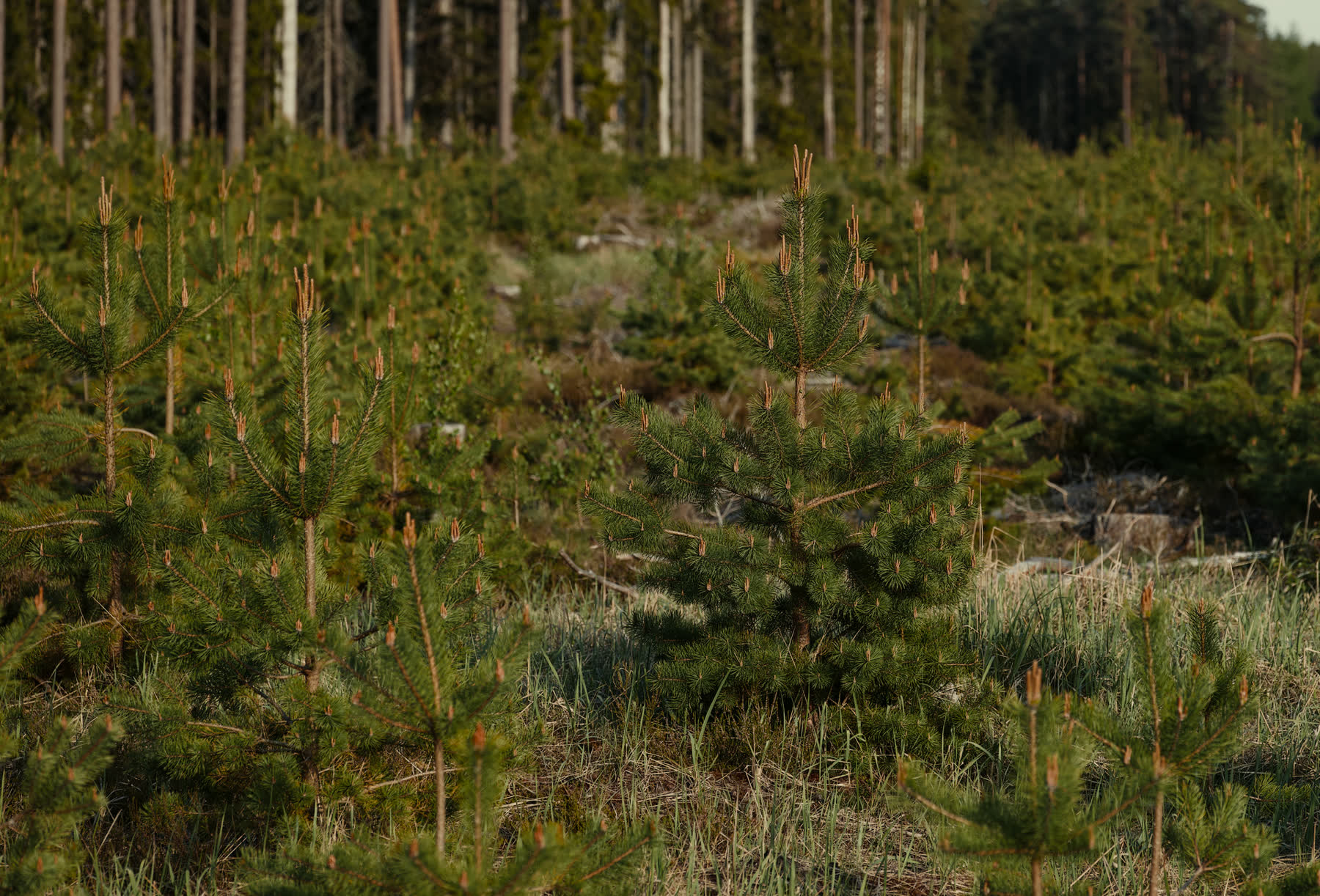
The Department protects 88 gazetted forest reserves — about 870,000 hectares that hold the water catchments feeding Malawi’s rivers, irrigation and hydropower. Officers keep boundaries clear and work with neighbouring villages under co-management agreements.
Government plantations, from the Viphya in the north to Mulanje in the south, supply the timber and poles the country builds with. Harvested areas are replanted, and firebreaks are cleared before every dry season.
Legal from stump to market
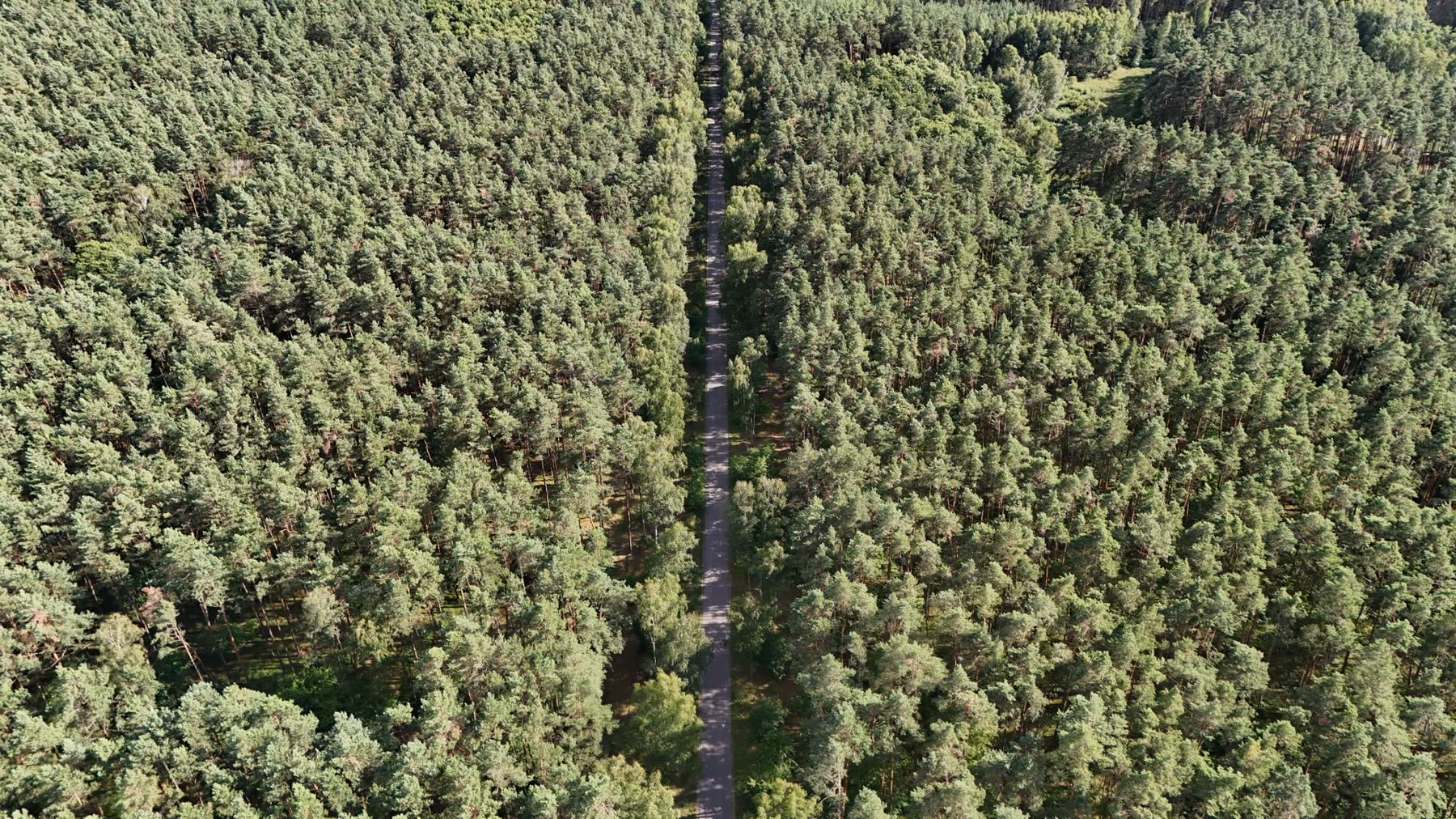
No one may use forest land, or forest produce from customary land, public land or a forest reserve, without a licence under the Forestry Act. Protected tree species may not be harvested at all, and harvesting stops in the closed season from 1 November to 31 March unless a special licence has been issued.
Officers check loads, sawmills and markets, so that what leaves the forest is legal.
Forests managed by the people beside them
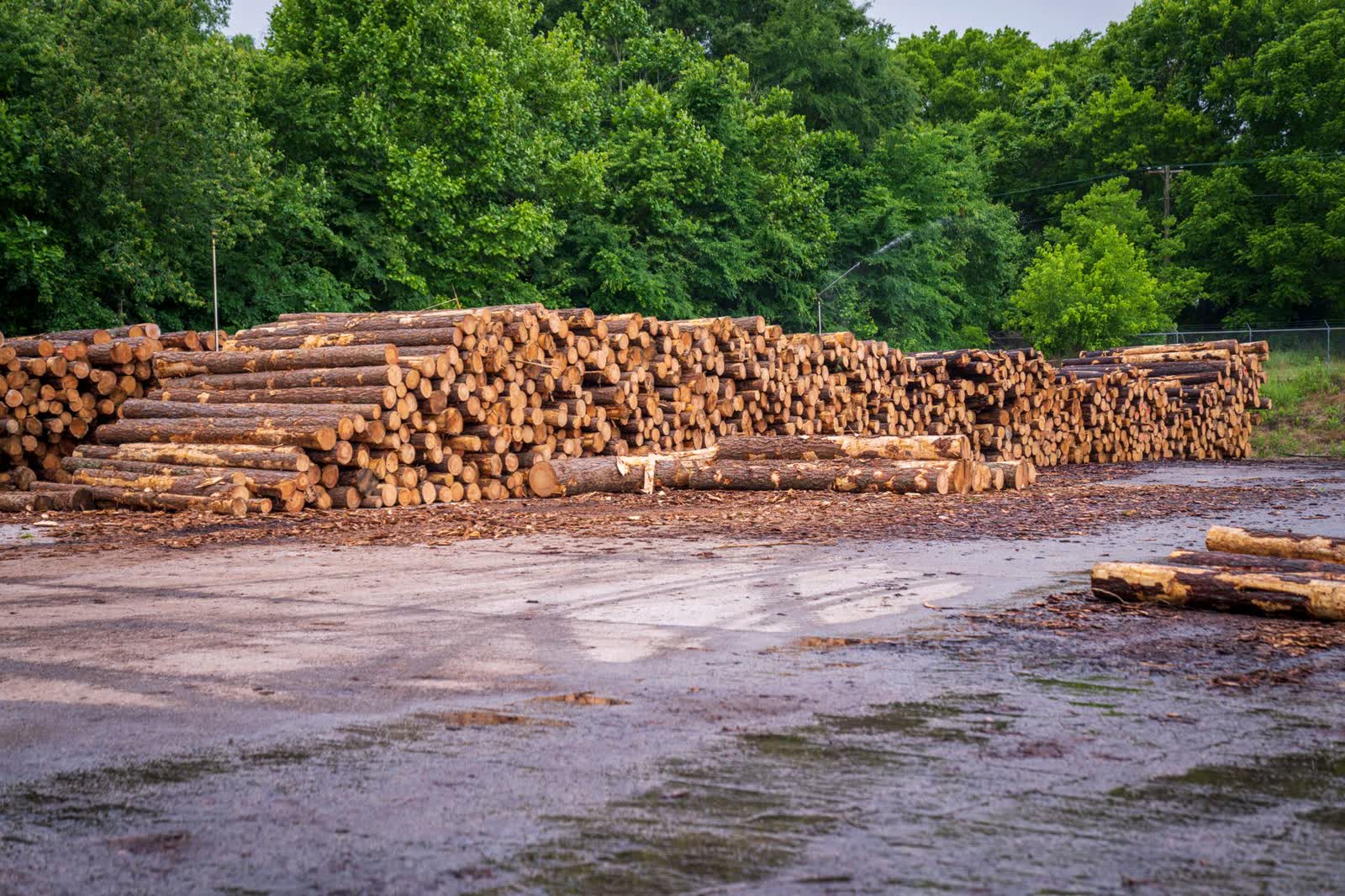
Village natural resources management committees manage village forest areas under their own by-laws and participatory forest management plans, with support from district forestry officers. In a village forest area, cutting, grazing, cultivating or keeping bees needs the committee’s written permit.
Following the money in forest crime
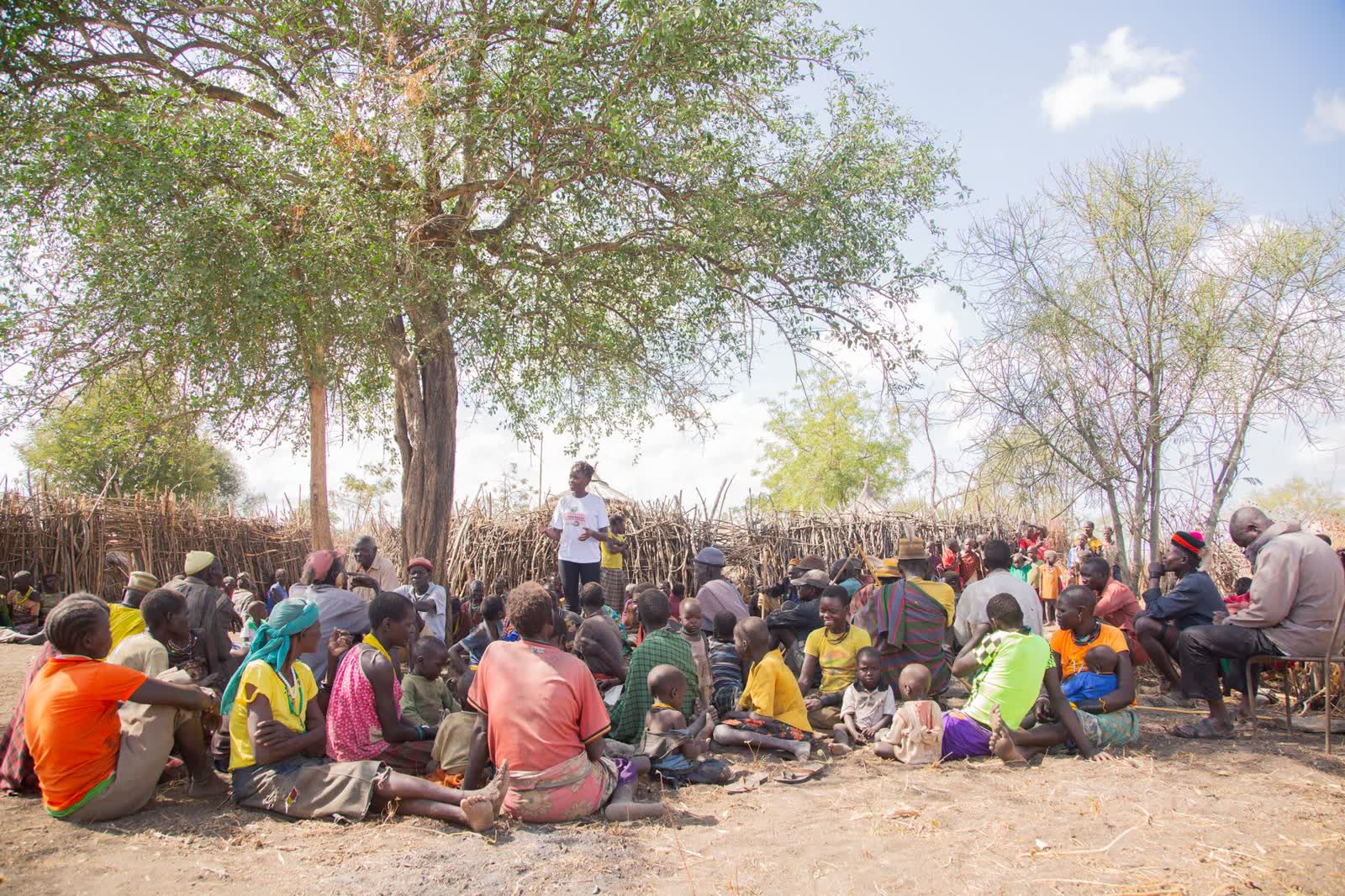
The Forestry (Amendment) Act, 2025 lets forestry officers investigate and prepare prosecutions, and lets officers of the police, the revenue authority, national parks and other agencies enforce the Act. A new Prosecution Section and financial investigations target the people who profit from illegal charcoal and timber.
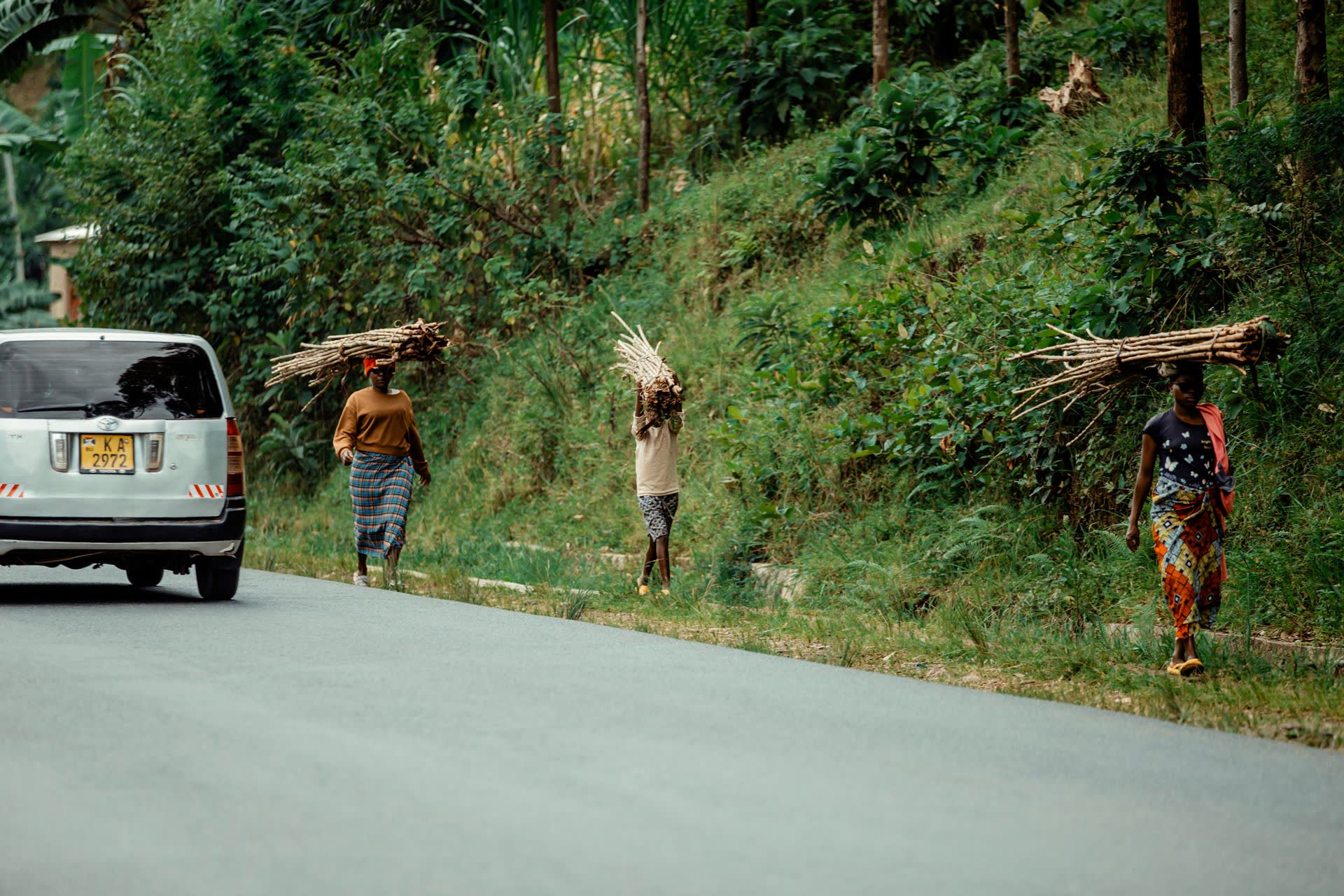
Community forestry
When villages own the rules, forests recover. We back the committees that make them.
- Village forest areas mapped under MWASIP
- 182
- Community woodlots planted under IAAM
- 80
Tree planting
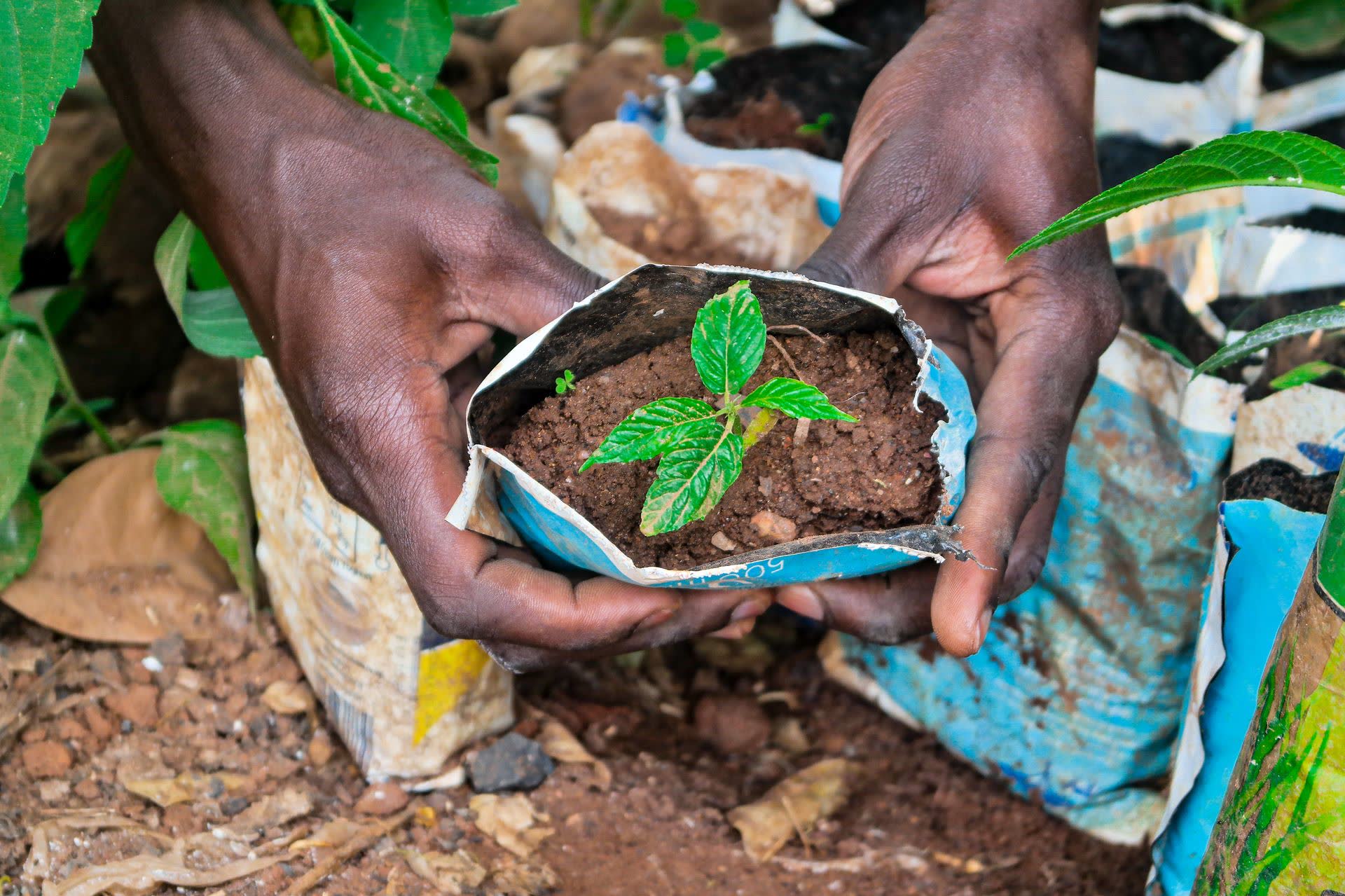
Plant a tree that survives
Most seedlings that die are lost in their first dry season. Four steps make the difference.
-
Step 1: Talk to your forest office
Before the rains
Your district forestry office can advise on the right species for your site and where to find seedlings.
-
Step 2: Collect healthy seedlings
From a nursery
Choose species suited to the site, from a government or community nursery.
-
Step 3: Plant with the rains
Once the soil is wet
Plant in prepared pits, at the spacing the extension officer advises.
-
Step 4: Care for it
First two years
Weed, protect from livestock and fire, and replace any seedlings that die.
Protect our forests
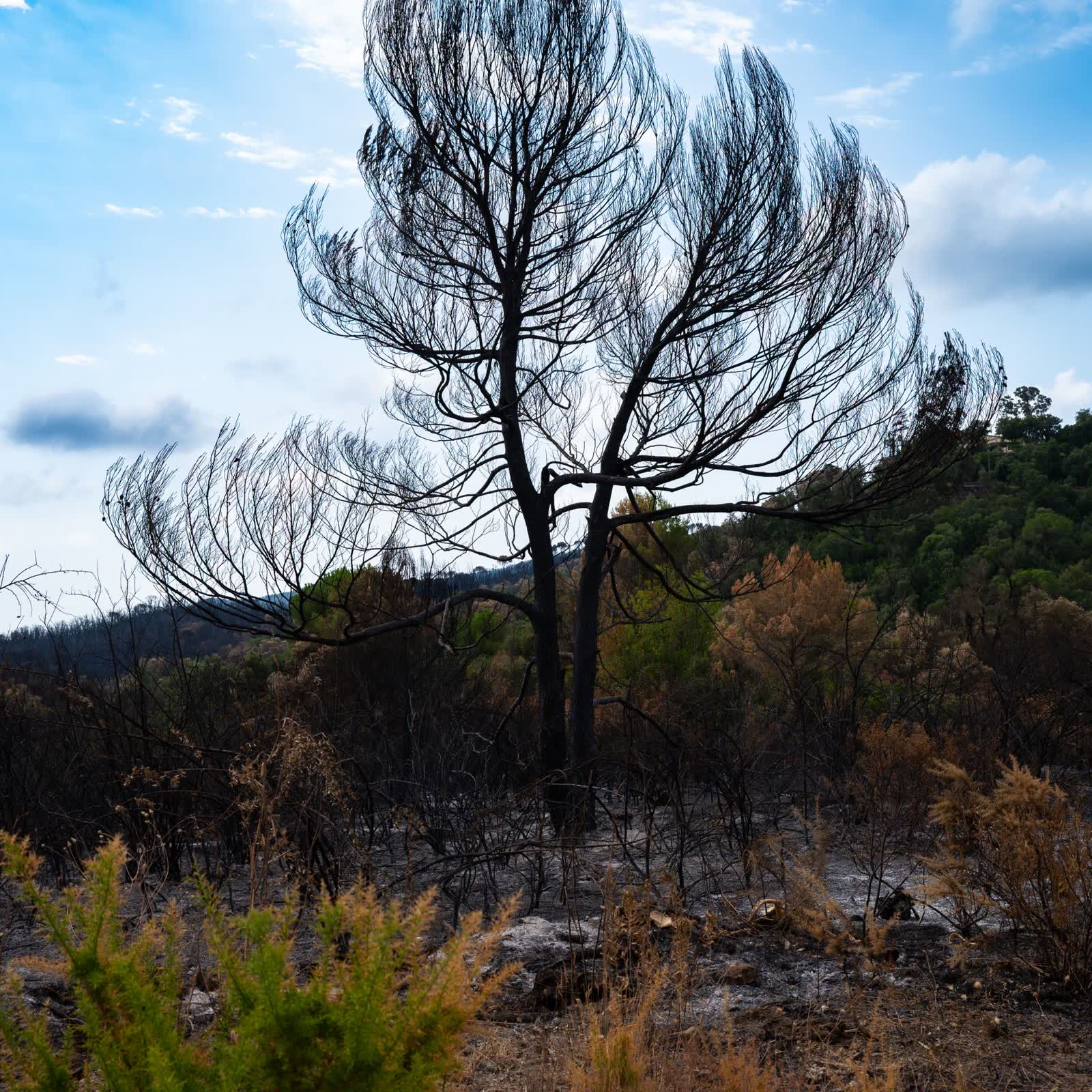
Seen illegal logging, charcoal burning or a forest fire?
Tell your nearest forest office, or send us a report online. Every report is followed up.